







India, the world’s fifth-largest economy, seeks to expand bilateral trade with the UK, the world’s sixth-largest, by a further $34 billion by 2040. The agreement, announced yesterday by Business and… read more →
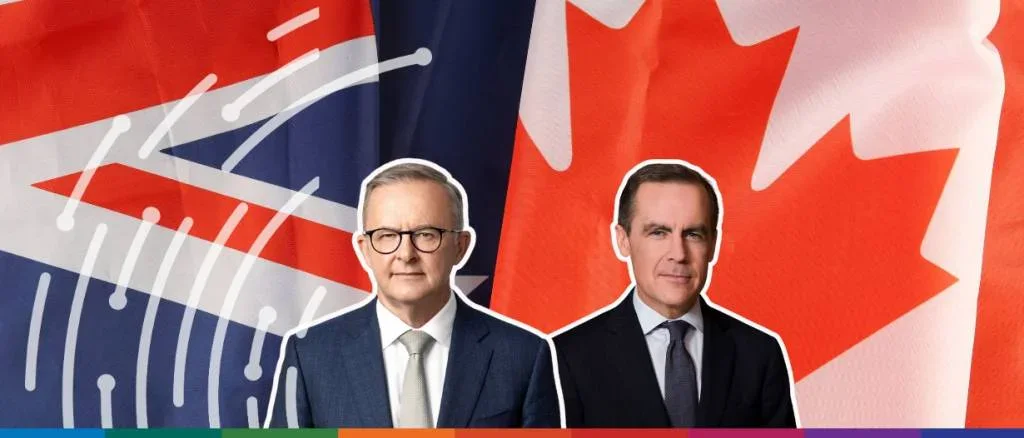
It’s been a crucial but relatively stable week in the world of general elections, against the growing tide of anti-incumbency which dominated and almost defined 2024. On Monday, 28 April,… read more →
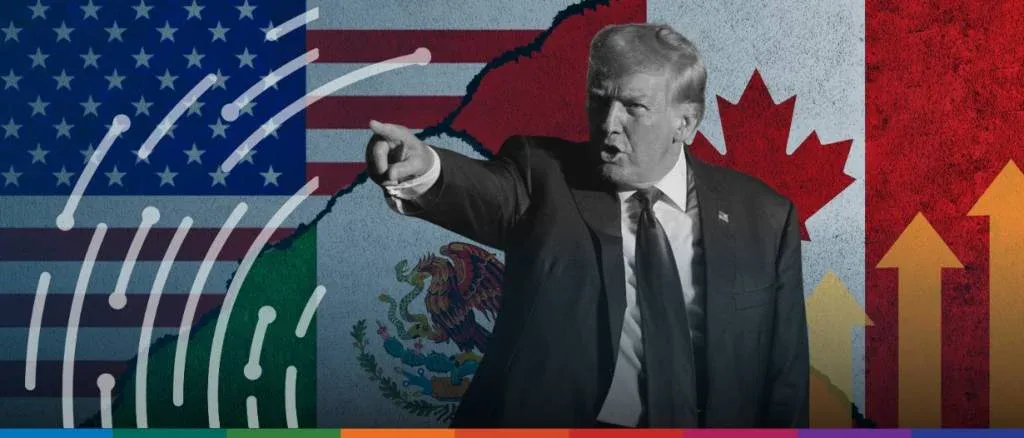
Some speculated, and others hoped, that Donald Trump’s promises of brutal tariffs were merely an election-winning tactic to frenzy his domestic fanbase. But on 1 February 2025, less than two… read more →
Businesses trying to navigate the turbulent waters of international trade during current storms can afford neither starry-eyed idealism nor the comfort of theoretical abstraction.

Would a Labour government, after a term or two in government, consider a path to reentry? Audley Director Chris Maitland looks at some of the barriers that would tie the hands of a future government.

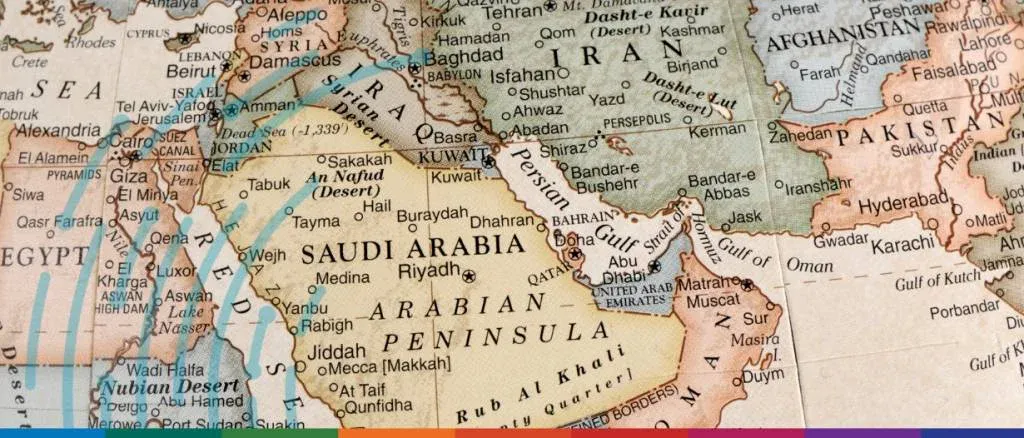
There are few regions as pivotal to global trade as the Middle East. The petroleum-rich area is the source of roughly one-third of the world’s oil production. When geopolitical tensions in the Middle East force up oil prices, the whole world catches a cold.
On Wednesday, the European Union announced a 17-38% tariff on Chinese electric vehicles. The tariffs will be introduced by law on 4 July.
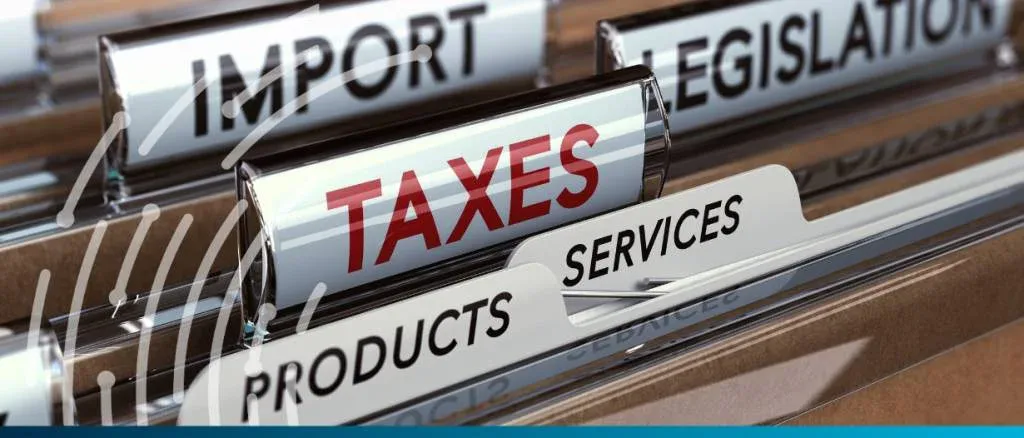
The UK has completed its key step required for joining the Comprehensive and Progressive Agreement for Trans-Pacific Partnership (CPTPP) earlier than expected.
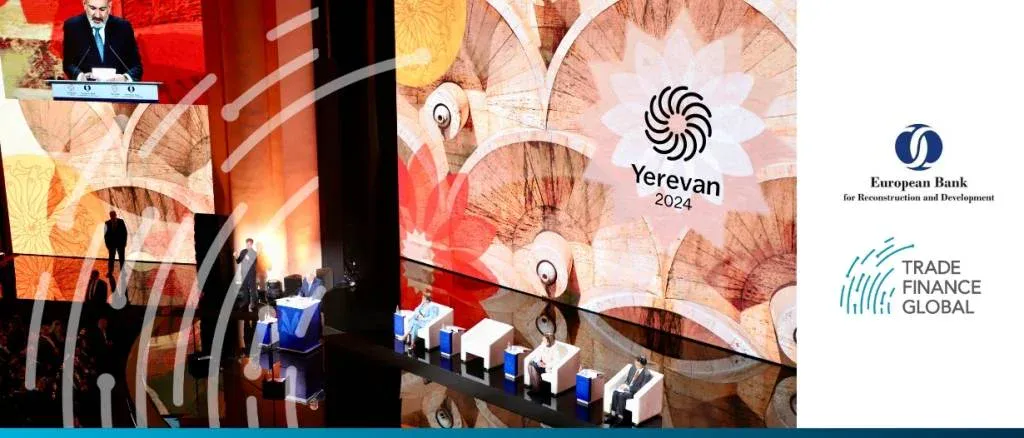
EBRD President Odile Renaud-Basso said that the EBRD remains a pillar of stability in its regions amidst an increasingly fragmented & volatile world
US President Joe Biden announced a series of tariff increases on various Chinese imports, including electric vehicles, computer chips, and medical products.